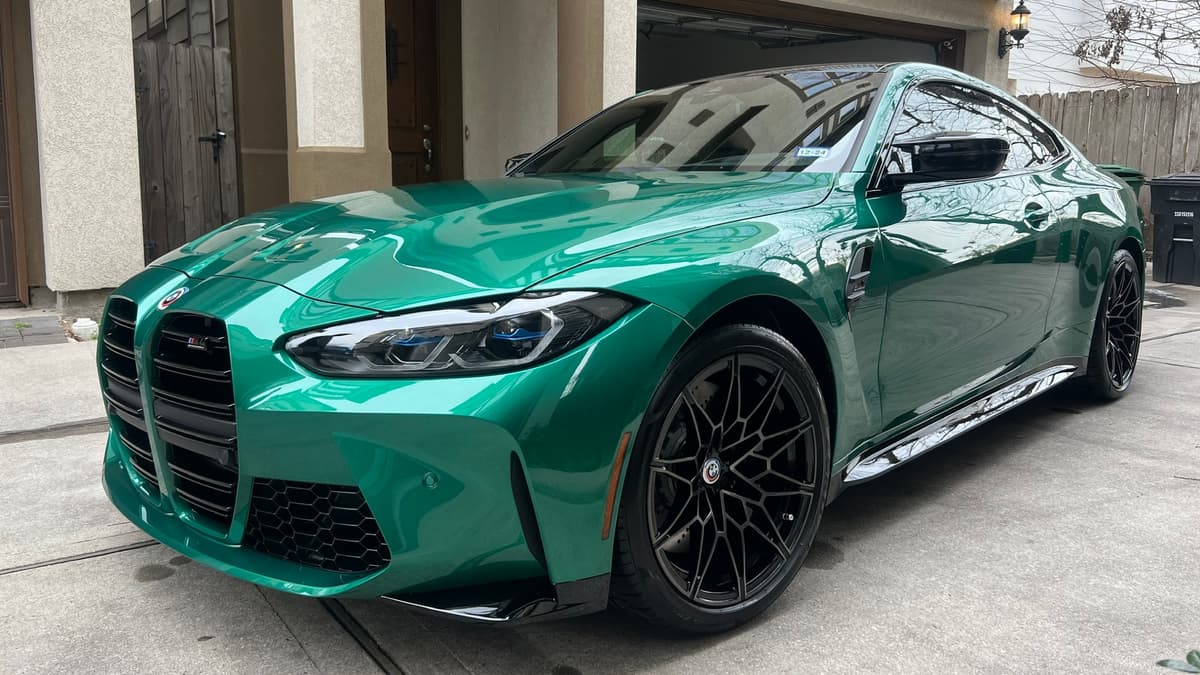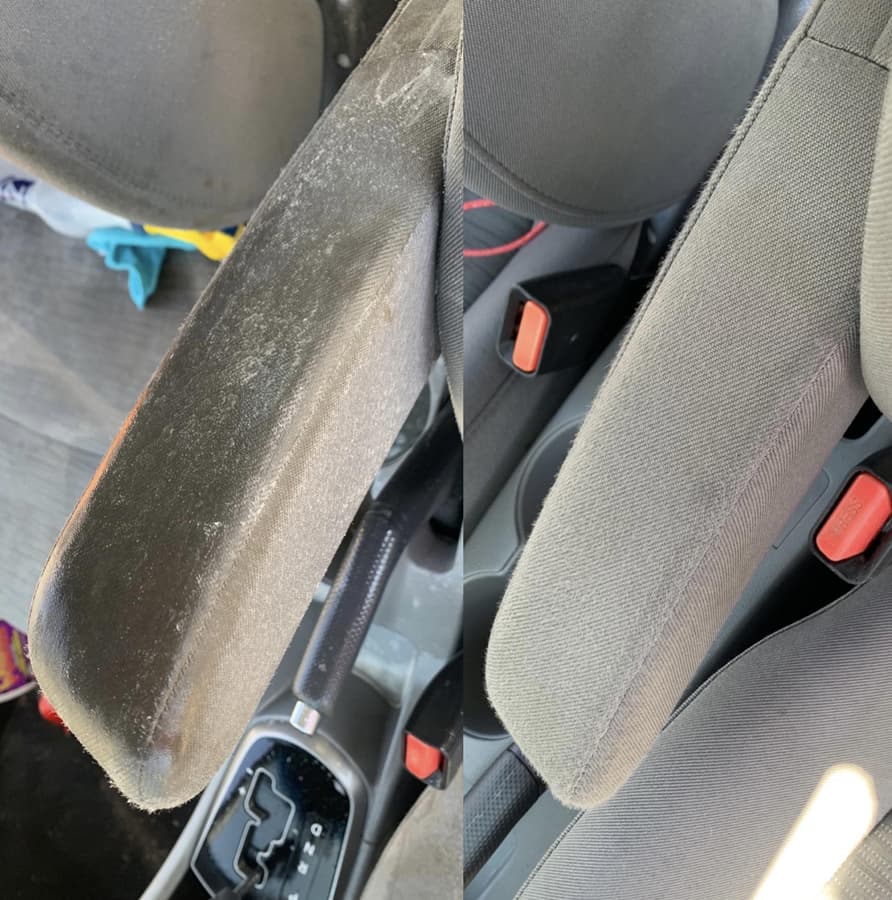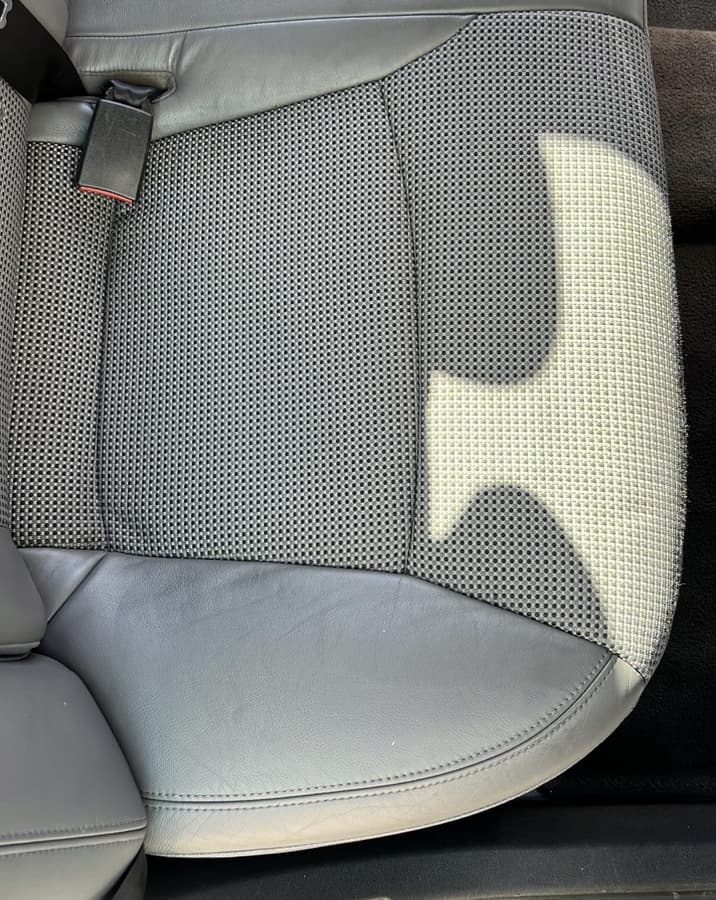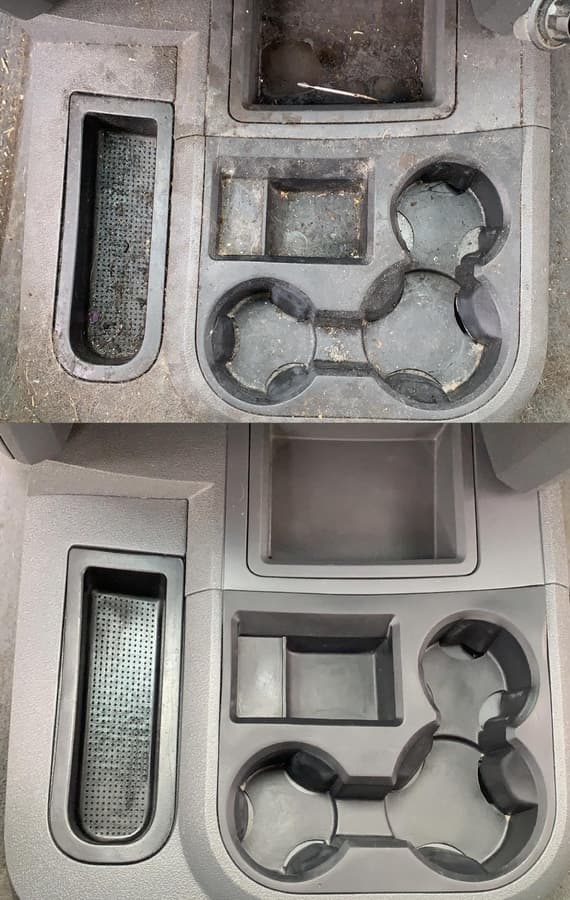
Houston roads are relentless on your paint. Between the I-10 rock chips, the ship channel truck traffic on 290, and UV radiation that ranks among the highest in the country, your car’s finish is under constant attack. Paint protection film — commonly called PPF or clear bra — is the only product that physically shields your paint from the impacts and abrasion that ceramic coatings and wax simply cannot stop.
If you’re driving a new vehicle, a luxury car, or anything you care about keeping in showroom condition, this guide covers everything you need to know about PPF in Houston.
What Is Paint Protection Film?
Paint protection film is a thermoplastic urethane (TPU) film applied directly to your vehicle’s painted surfaces. Originally developed for military helicopter rotor blades, it’s been adapted for automotive use since the 1990s and has become the gold standard for paint preservation.
How it protects:
- Rock chips and road debris — The film absorbs the impact that would otherwise chip or crack your clear coat
- Swirl marks and fine scratches — Light abrasion from car washes, branches, and clothing stops at the film, not your paint
- UV oxidation and fade — Modern PPF includes UV inhibitors that prevent the yellowing and oxidation Houston sun causes
- Chemical stains — Bird droppings, tree sap, and insect acids eat into unprotected clear coat; PPF holds them at the surface until you can wash them off
- Environmental fallout — Industrial pollution, brake dust, and road tar bond to PPF instead of your paint
The critical difference from ceramic coating: PPF has physical thickness (typically 6–10 mils, about 0.15–0.25mm). It takes the hit so your paint doesn’t have to.
Why Houston Makes PPF More Necessary Than Almost Anywhere
Houston isn’t just any driving environment. Several factors make paint damage significantly worse here than in most US cities:
Rock Chips Are Everywhere
Houston’s highway system — some of the most trafficked in the country — is in constant construction. The 610 Loop, I-45, US-59, and Hardy Toll Road all generate continuous road debris from construction materials, gravel shoulders, and commercial trucks. A single highway commute can mean a dozen micro-chips at 70 mph.
UV Exposure Is Extreme
Houston sits at 29.7° N latitude with 204+ sunny days per year. UV Index levels reach 8–11 from March through October. At these levels, unprotected clear coat begins to oxidize visibly within 2–3 years on dark-colored vehicles. Quality PPF with UV inhibitors blocks 99%+ of UV-A and UV-B radiation.
The Gulf Humidity Accelerates Everything
Houston’s 75%+ average relative humidity means any moisture trapped under chips or in micro-abrasions accelerates corrosion and paint lifting. PPF creates a sealed barrier that keeps moisture and contaminants off the metal entirely.
Ship Channel and Industrial Fallout
If you live or work near the ship channel, Pasadena, or industrial corridors, your car is exposed to petroleum-based fallout, sulfur compounds, and metallic particles that etch paint within days. PPF’s chemical resistance handles what ceramic coatings can only partially resist.
Full PPF Coverage vs. Partial Coverage
You don’t have to wrap the entire vehicle. PPF coverage is typically offered in tiers:
Partial Front Coverage (Most Common)
Protects the highest-impact zones:
- Full hood
- Front bumper
- Fenders (partial or full)
- Side mirrors
- Headlights
This covers 80% of the rock chip damage most vehicles receive. It’s the most cost-effective option for daily drivers.
Full Front-End Coverage
- Everything in partial coverage
- Full fenders
- A-pillars
- Door edges and cup handles
- Rocker panels
Ideal for vehicles that see regular highway commuting or are driven in construction-heavy areas of Houston.
Full Vehicle Wrap
Every painted panel covered. The premium choice for:
- Luxury and exotic vehicles
- Brand new cars protecting dealer value
- Vehicles used as business assets
- Paint colors that are expensive to repaint (custom or rare finishes)
Full wraps are increasingly popular in Houston’s luxury automotive community, particularly in River Oaks, The Woodlands, and Memorial neighborhoods.
PPF Film Quality: What to Look For
Not all paint protection film is equal. Premium films differ from budget options in several key ways:
Self-healing technology — Top-tier PPF contains elastomeric polymer compounds that allow light scratches and swirl marks to vanish with heat (sun exposure or warm water). Budget films don’t self-heal and show wear permanently.
Optical clarity — Cheap films yellow over time, especially in Houston’s UV environment. Quality films (XPEL, 3M Scotchgard Pro, Llumar Platinum) maintain optical clarity for 5–10 years.
Thickness (mil rating) — 8–10 mil films provide meaningfully better rock chip protection than 6 mil budget options. For Houston highway driving, thicker is better.
Edge sealing and adhesive — Professional-grade adhesive prevents lifting at edges (a common failure mode on DIY films and low-quality installations). Properly installed film should be virtually invisible at panel edges.
Warranty — Reputable manufacturers offer 5–10 year warranties against yellowing, peeling, cracking, and delamination. Budget films typically carry 1–2 years.
PPF vs. Ceramic Coating: Which Does Houston Need?
We have a detailed comparison guide here, but here’s the quick answer:
| Protection Need | Best Solution |
|---|---|
| Rock chips, impacts, road debris | PPF (only option) |
| UV fade and oxidation | Both (PPF or ceramic) |
| Hydrophobic water repulsion | Ceramic coating (better) |
| Fine swirl marks from washing | PPF (self-healing grades) |
| Chemical stain resistance | Both |
| Gloss enhancement | Ceramic coating (more dramatic) |
| Budget-conscious daily driver | Ceramic coating |
| New or luxury vehicle, long-term | PPF + ceramic on top (best combo) |
The ultimate setup: PPF on high-impact zones, ceramic coating over the top. The PPF handles physical impacts; the ceramic adds hydrophobic properties and makes maintenance easier. Many Houston luxury vehicle owners choose this combination.
How PPF Installation Works
Professional PPF installation is a multi-day process when done correctly:
Day 1: Paint decontamination and prep The vehicle is clay barred, polished if necessary, and fully decontaminated. Any existing paint defects should be corrected before film — PPF traps imperfections permanently under it. This is why proper paint correction before PPF is critical.
Day 2: Film cutting and application Modern installers use computer-generated templates (DAP software) for precise cuts. The film is wet-applied to each panel, carefully worked to eliminate bubbles and ensure edge adhesion. Panel-by-panel curing begins.
Day 3: Final inspection and cure A full light inspection catches any bubbles, lifting edges, or contamination trapped under the film. Complete cure typically takes 48–72 hours, during which the vehicle should avoid car washes and direct moisture.
Installers who rush this process will deliver disappointing results. Cutting corners on prep means PPF over marred paint, and cutting corners on installation means edges that lift within months in Houston’s heat.
How to Maintain PPF
PPF is lower maintenance than bare paint, but there are a few rules:
- Wait 48–72 hours after installation before washing
- Hand wash or touchless car wash only — brush car washes can cause edge lifting
- Avoid high-pressure washing at edges — keep the wand moving and don’t focus on seams
- Bird droppings and sap: remove within 24–48 hours — even though PPF resists chemical damage, Houston heat can bake organic acids in over time
- Use PPF-safe detailing sprays — avoid solvent-based products near film edges
- Add a ceramic coating on top for enhanced hydrophobic protection and easier washing
With proper care, quality PPF in Houston’s environment lasts 7–10 years before requiring replacement.
Is PPF Worth It in Houston?
Run the math:
Cost of PPF (partial front): $800–$1,500
Cost of a single rock chip repair: $150–$400 per chip
Repainting a hood or bumper: $600–$1,500
A single significant impact that requires panel repainting eliminates any PPF “savings argument.” In Houston’s highway environment, most vehicles pick up their first significant chip within the first 6 months of ownership. On a $40,000+ vehicle, PPF typically pays for itself within 1–2 years in avoided paint repairs alone — before factoring in resale value.
Resale value impact: A vehicle with documented PPF protection and a clean paint report commands measurably higher trade-in and private sale values. Dealers know PPF-protected paint is significantly more valuable than paint with chips, touchups, and oxidation.
PPF as Part of CarPlay Mobile Detail’s Transformation Package
At CarPlay Mobile Detail, our Transformation package represents the most comprehensive vehicle protection available. For clients interested in full protection combining PPF, paint correction, and ceramic coating, we coordinate the complete process:
- Paint decontamination and correction (our specialty)
- PPF application on high-impact zones
- Premium ceramic coating over PPF and remaining panels
The result: a vehicle that’s protected from physical impacts, chemically sealed, UV-resistant, and easier to keep clean than the day you drove it off the lot.
Protect Your Paint Before the Next Rock Chip Does
Houston’s roads don’t get gentler. Every mile on I-45 or 290 is another opportunity for the chip that cracks your clear coat or requires a panel respray. Paint protection film is the only product that physically intercepts those impacts.
Ready to protect your vehicle’s paint? Request a free quote or book your appointment and let our team help you choose the right protection package for your vehicle and driving habits.
We serve Houston and all surrounding areas — Katy, Sugar Land, The Woodlands, Pearland, Cypress, Spring, and beyond.
Questions about paint protection film in Houston? Call or text us at (832) 938-2700 — we’re happy to walk you through your options.