You turn on the A/C and the first few seconds hit you with a wave of damp, musty air — like something died inside the dashboard. You switch it off, wait, try again, and the smell lingers. You’ve sprayed the vent, bought every air freshener at AutoZone, and it still comes back.
This is one of the most common complaints Houston drivers bring to CarPlay Mobile Detail. And there’s a reason it’s so common here: Houston’s climate is almost perfectly designed to grow the organisms causing that smell.
Here’s what’s actually happening, why it gets worse in summer, and what actually fixes it permanently.
Why Houston makes this problem worse than anywhere else
Car A/C systems have an evaporator coil — a finned aluminum heat exchanger mounted inside the dashboard, directly behind the vents. It gets extremely cold during operation, then warms back up when you turn the A/C off. In the process, it pulls moisture out of the cabin air (that’s the puddle you see under your parked car on a hot day).
In most climates, the evaporator dries between uses. In Houston, it doesn’t.
- Relative humidity 70–90% in summer means there’s always moisture available
- High ambient temperatures keep the evaporator warm and wet between drives
- Short trips mean the evaporator never fully dries out after a session
- Cabin air filter neglect means pollen, debris, and organic material accumulate on the coil surface
The result: mold, mildew, and bacteria colonize the fins and foam of the evaporator. When you turn on the A/C, the air passes over that growth and carries it directly into your face.
This isn’t a cosmetic issue. The particulates from mold and bacterial colonies circulate through the cabin air you and your passengers breathe every drive.
The three most common A/C odor types in Houston cars
Not all A/C smells come from the same source. The fix depends on diagnosis.
Musty/mildew smell (most common): Classic evaporator mold. Strongest in the first 30–60 seconds after you turn on the A/C, then fades slightly as airflow dilutes it. Gets worse after the car sits overnight and the evaporator stays damp in humid air. This is a biological contamination problem.
Sour/fermented smell: Usually a combination of evaporator mold plus cabin air filter that’s saturated with organic debris. If your filter hasn’t been changed in 12–18 months in Houston, it looks — and smells — like composted leaves.
Burning or chemical smell: Usually not mold-related. Can indicate a refrigerant issue, a failing blower motor, or debris (a leaf, an insect nest) blocking airflow and overheating. This one warrants a mechanic visit before detailing.
Stale/sweaty smell that gets worse when A/C is on: The evaporator is pulling air across a contaminated floor, seats, or carpets. The A/C isn’t the source — it’s amplifying the interior odor.
Why air fresheners and vent sprays fail
The products you see advertised for this problem — foam sprays, vent clips, new car smell bombs — treat the symptom, not the source.
Spray a vent freshener into the cabin: you’re masking the smell of the evaporator with fragrance that wears off in a week. The biological growth is still there, still releasing spores, still getting pulled into your air.
Even the can-style “bomb” products that tell you to run your A/C with the recirculation on work the same way: you’re fogging the cabin but never reaching the evaporator coil surface where the growth is. The evaporator is upstream of the cabin — air passes over it before it reaches the vents. Masking agents in the cabin never touch the source.
The only fix that lasts is physical treatment of the evaporator coil surface.
What professional A/C cleaning actually involves
There are two levels of professional treatment. CarPlay’s approach treats the root cause.
Step 1: Cabin air filter replacement
The filter sits in the airflow path immediately before or after the blower motor (varies by vehicle). In Houston, filters that haven’t been changed in 12 months are typically visibly contaminated — dark gray, matted with debris, sometimes visibly moldy.
A clogged filter reduces airflow through the evaporator, increases the dwell time of moist air on the coil, and introduces organic material that feeds bacterial growth. Filter replacement is always step one.
Step 2: Evaporator coil treatment
The coil is inside the HVAC housing under the dashboard — you can’t clean it by hand without removing the dashboard, which is a multi-hour repair shop job. Professional detailers use a dual-approach:
Enzyme fogging: A microbial-treatment formula is atomized and introduced into the intake (the cabin air intake, with the fan running on full fresh air mode). The fog reaches the evaporator surface and treats the biological growth chemically — enzymes break down mold and bacteria at the cellular level rather than just masking them.
UV treatment (at some detailers): UV-C light exposure kills remaining organisms on accessible surfaces and inhibits regrowth. More common in premium interior detail packages.
Step 3: Interior extraction
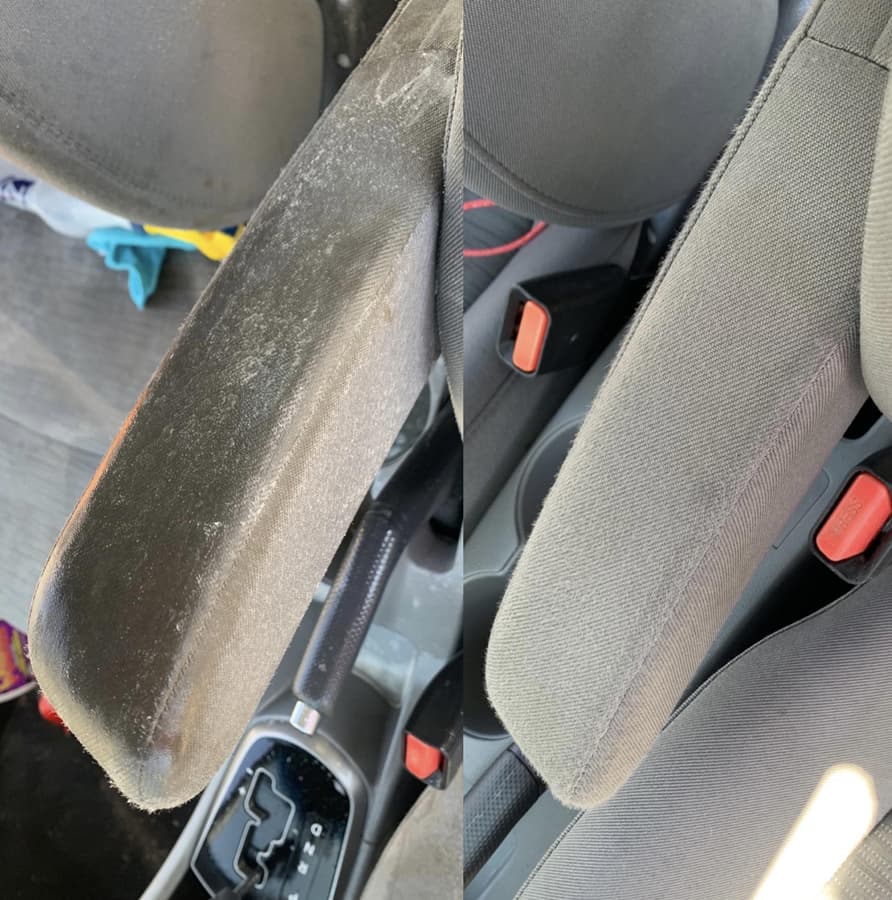
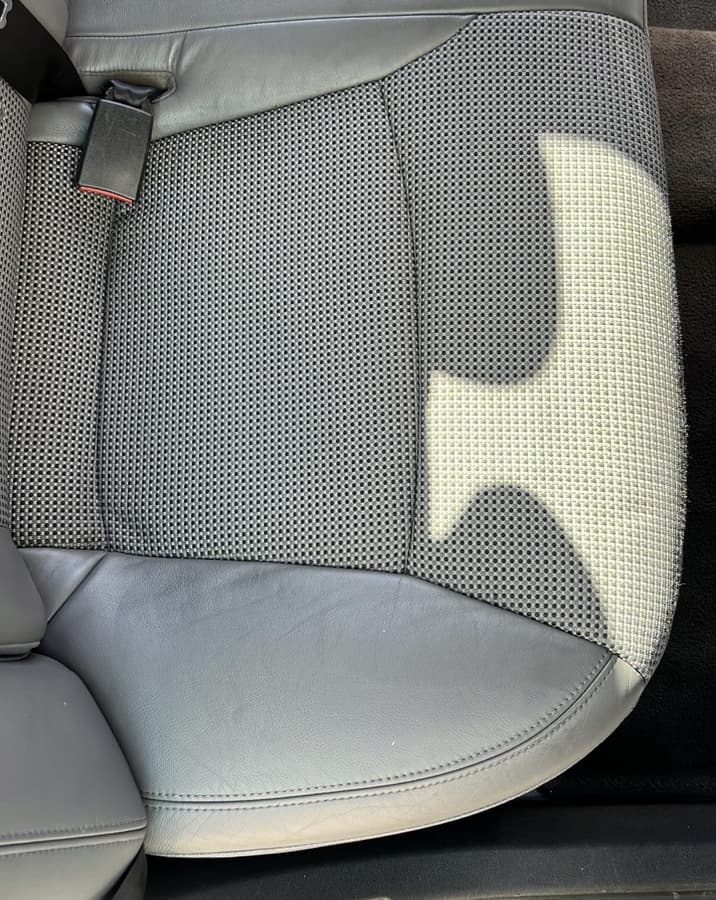
If the interior has absorbed odors — seats, carpet, headliner — a surface-level A/C treatment won’t eliminate the secondary source. A full interior detail includes hot water extraction of carpet and upholstery, which removes the embedded organic material that the A/C circulates.
This is the difference between treating the A/C and treating the car. For Houston vehicles with persistent odors, both need to happen.
Step 4: Dry-out cycle
After fogging, the technician runs the A/C on full fan with max A/C to force airflow through the treated evaporator for 10–15 minutes, then switches to vent-only (no A/C, no recirculation) to allow the coil to dry. Skipping this step leaves moisture on the treated surface, reducing effectiveness.
Houston A/C odor prevention: what actually works between details
Once the evaporator is cleaned, simple habits extend the results significantly.
The two-minute dry-out rule: Before you turn the car off, switch from A/C to vent (fan only, no cooling) for the last 2 minutes of your drive. This lets the evaporator warm up and shed moisture before you park. The evaporator goes into a dry state rather than a cold, wet state. This is the single most effective prevention habit.
Change your cabin air filter every 12 months in Houston — or every 15,000 miles, whichever comes first. In other climates, manufacturers say 15,000–25,000 miles. Houston humidity and pollen load make that optimistic. Annual replacement is the right interval here.
Don’t use recirculation for long periods in stop-and-go traffic. Recirculation mode is efficient (cooling already-cooled air), but it concentrates humidity from occupant breathing and perspiration in the cabin. Fresh air mode periodically reduces cabin humidity.
Don’t leave damp gym bags, wet towels, or wet umbrellas in the car. These off-gas humidity that the A/C then recirculates.
Park in shade when possible. A car parked in full Texas sun for 8 hours reaches interior temps of 140–160°F. The evaporator housing is plastic and foam — sustained heat degrades the materials and drives out any residual moisture treatment.
When to do it: Houston timing
The worst months for A/C odor are June through September. This is when:
- The evaporator runs hardest (cooling a 140°F cabin back to 70°F)
- Humidity is highest (70–90% RH)
- Short trips don’t allow dry-out time between uses
The best time to book an A/C cleaning is before peak summer — April or May — so the system is treated before the heavy-use months. If you’re reading this in summer and already dealing with the smell, now is still the right time.
What CarPlay includes
CarPlay’s interior detailing service addresses all the sources:
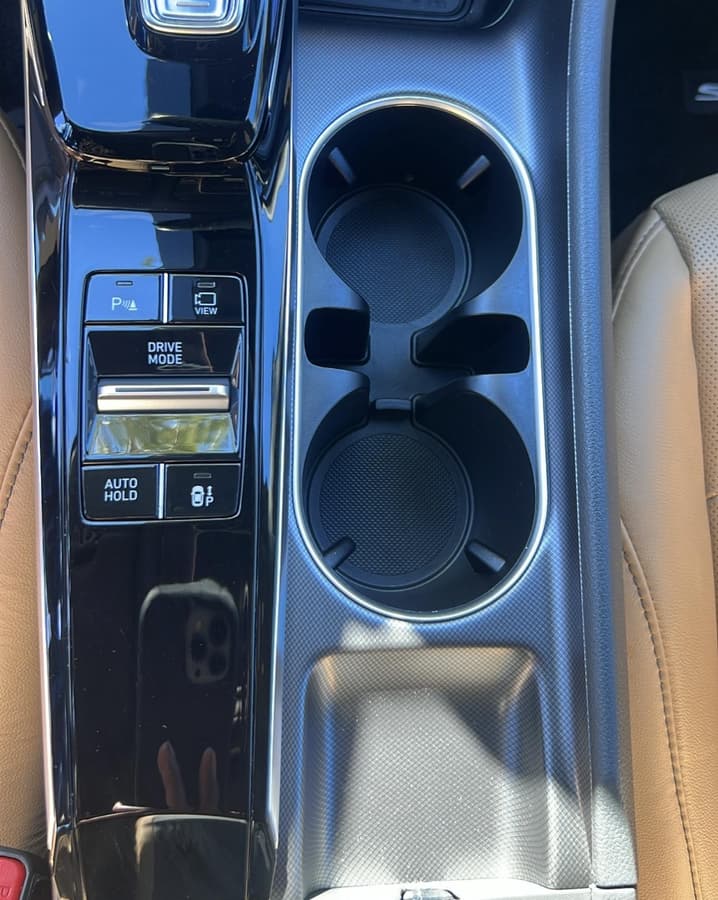
Essential Detail covers interior extraction — seats, carpet, and hard surfaces cleaned and deodorized. If the smell source is the interior itself, this resolves it.
Transformation includes the full interior treatment plus evaporator fogging as part of the complete vehicle package. For vehicles with established mold growth and odors absorbed across multiple surfaces, this is the thorough approach.
If your primary concern is the A/C specifically, mention it when you book — the quote will reflect exactly what your vehicle needs.
The bottom line
That A/C smell is mold and bacteria on your evaporator coil. Sprays mask it; treatment eliminates it. In Houston’s climate, it’s nearly inevitable without periodic maintenance — but it’s also completely fixable.
The process takes 2–3 hours as part of a full interior detail. The dry-out habits take 2 minutes per drive. For most Houston drivers, combining a professional treatment once or twice a year with the simple prevention habits above keeps the cabin air clean year-round.
See our interior detailing service for a full list of what’s included — air vent cleaning, odor treatment, and complete cabin restoration are part of every professional interior detail. Get a quote for interior detailing or book directly through Urable to schedule your service.
CarPlay Mobile Detail serves Houston and surrounding areas including Katy, Sugar Land, The Woodlands, Pearland, Cypress, Spring, and more. Mobile service — we come to you.